3D Flowers Pattern Background 01: A Modern Floral Design Solution for Creative Projects
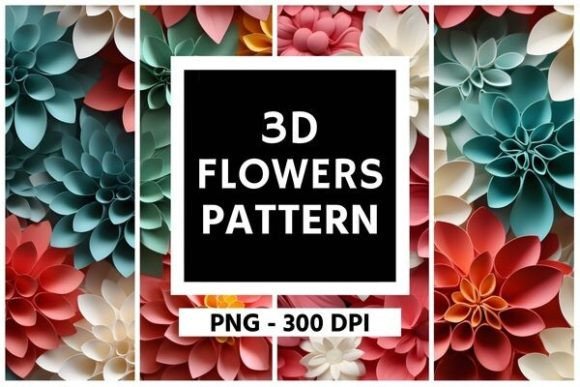
In the world of digital design, finding a background that strikes the perfect balance between visual appeal and functionality can be challenging. The 3D Flowers Pattern Background 01 emerges as a compelling option for those seeking to add a touch of natural elegance to their creative work. This pattern is crafted using advanced 3D rendering techniques to create an immersive garden scene filled with lifelike flowers. It’s not just another floral wallpaper—it's a dimensional masterpiece that brings depth, color, and realism into any project.
What Makes 3D Flowers Pattern Background 01 Unique?
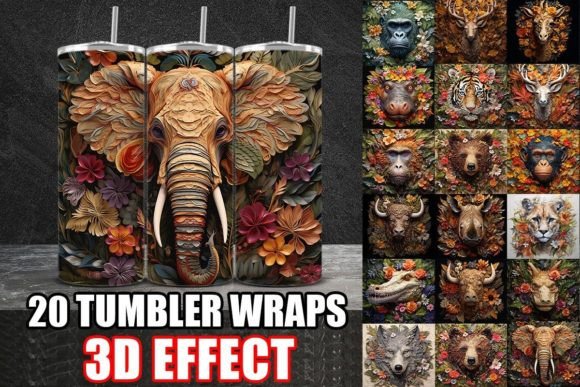
The standout feature of this pattern is its use of three-dimensional rendering, which sets it apart from traditional flat or hand-drawn floral designs. Unlike two-dimensional patterns that may appear static or overly stylized, 3D Flowers Pattern Background 01 offers a dynamic look with realistic lighting, shadows, and textures. These details make each bloom pop off the surface, creating a sense of movement and naturalism that’s hard to achieve with other methods.
This pattern is ideal for designers who want to convey sophistication and organic beauty in their visuals. Its intricate detailing and vibrant hues are especially effective when used in high-resolution formats, allowing the depth of the design to shine on both digital and printed media.
Comparing 3D-Rendered Patterns to Other Floral Background Styles
When evaluating floral backgrounds, it's important to consider how different styles meet specific design needs. Here’s a closer look at how 3D-rendered options like 3D Flowers Pattern Background 01 compare with other common types:
- Flat Vector Florals: These are clean, scalable, and often minimalistic. They work well for modern aesthetics but lack the depth and realism offered by 3D patterns.
- Hand-Painted Watercolor Florals: These provide a soft, artistic feel and are great for vintage or bohemian themes. However, they may not be as adaptable for high-end commercial projects.
- Photorealistic Flower Photos: While these offer true-to-life detail, they’re typically limited in customization and tiling capabilities. They also require more post-processing for seamless integration into design layouts.
3D Flowers Pattern Background 01 bridges the gap between realism and adaptability. It retains the detailed appearance of photorealistic images while offering the flexibility of vector-based design elements. This makes it suitable for a wide range of applications without compromising on quality or creativity.
Strengths of Using 3D Flowers Pattern Background 01
Several key strengths make this pattern a valuable addition to a designer’s toolkit:
- Versatile Application: Whether you're designing invitations, website headers, branding materials, or printables, this pattern adapts well to various uses due to its high resolution and layered structure.
- Customization Potential: The 3D nature allows for easy manipulation—adjusting colors, layer opacity, and even isolating individual flower elements can help tailor the design to your specific needs.
- Depth and Realism: The dimensional quality adds a tactile feel to the design, making it visually engaging and suitable for luxury or premium brand aesthetics.
- Scalable Quality: Designed with scalability in mind, the pattern maintains clarity and detail across multiple sizes, ensuring it looks sharp whether viewed on a mobile screen or printed on large banners.
Tradeoffs and Limitations to Consider
While the 3D Flowers Pattern Background 01 is impressive, it’s essential to understand where it might fall short compared to alternative approaches:
- File Size: High-quality 3D renderings can result in larger file sizes than simpler vector or raster-based patterns. This may affect loading times if used extensively in web design.
- Complexity in Editing: Although customizable, editing 3D elements requires some familiarity with graphic design software like Adobe Photoshop or Illustrator. Beginners may find the process more involved than working with basic vector files.
- Color Scheme Limitations: Depending on the original palette of the pattern, altering colors may not always produce the same level of vibrancy or cohesion as seen in the base design.
These tradeoffs don’t diminish the value of the pattern but rather highlight scenarios where it may or may not be the best fit. For instance, if you need something quick to edit and lightweight for fast web performance, a simpler vector floral might serve better. Conversely, if you're aiming for rich, immersive visuals, the 3D approach shines.
Best-Fit Situations for 3D Flowers Pattern Background 01
There are several situations where incorporating 3D Flowers Pattern Background 01 could significantly enhance your design outcomes:
- Wedding Invitations and Stationery: The elegant and lifelike appearance of the pattern makes it ideal for wedding designs that aim to evoke romance and natural beauty.
- Product Packaging: Brands looking to stand out with sophisticated, nature-inspired packaging will benefit from the premium look of 3D floral elements.
- Website Headers and Landing Pages: When used subtly, the pattern can serve as a stunning backdrop that supports content without overwhelming it.
- Print Media and Posters: The vivid details and textures translate beautifully to print, making it a top choice for posters, brochures, and promotional materials.
Its versatility is further enhanced by the ability to blend seamlessly with minimalist layouts or complement bold typography. As such, it’s particularly useful in designs that aim to balance visual richness with readability and usability.
When to Consider Alternative Options
Despite its many benefits, there are instances where a different type of floral pattern may be more appropriate:
- Minimalist or Modern Branding: If your brand identity leans toward sleek, no-nonsense aesthetics, the complexity of a 3D floral pattern might clash with your visual style.
- Mobile-First Designs: In cases where performance is critical (e.g., mobile apps or websites), a lighter-weight pattern with less detail could be preferable to ensure smooth user experiences.
- Budget Constraints: For smaller-scale projects or those with tight budgets, investing in a 3D-rendered pattern may not always be cost-effective. Free or lower-cost alternatives might suffice depending on the intended use.
In these scenarios, alternatives like flat floral vectors, abstract botanical illustrations, or even subtle monochrome patterns might be more fitting. Always consider the end goal, audience expectations, and technical requirements before finalizing your choice.
Realistic Use Cases and Practical Examples
To illustrate how 3D Flowers Pattern Background 01 can be effectively applied, here are a few practical examples:
- Floral Wedding Website: A designer created a wedding website using the pattern as a header background. By adjusting the transparency and overlaying clean typography, they achieved a harmonious blend of elegance and legibility.
- Brand Identity Package: A wellness company incorporated the pattern into their product labels and social media templates. The dimensional flowers helped reinforce their commitment to natural ingredients and holistic living.
- Invitation Cards for a Botanical Garden Tour: Used as a full-page background, the pattern was paired with a soft pastel color scheme to create an inviting and thematic design that drew attention to event details.
Each example highlights how the pattern can be adapted to suit diverse needs, proving its effectiveness beyond just one niche or format.
Decision Factors When Choosing a Floral Pattern
Selecting the right floral background involves more than just personal preference. Several decision factors should guide your choice:
- Design Purpose: Will the pattern be used for print, web, or both? Each medium has unique requirements regarding resolution, file size, and adaptability.
- Target Audience: Does the pattern align with the tastes and expectations of your audience? A younger demographic might prefer bold and abstract florals, while a mature audience may appreciate the classic elegance of 3D-rendered blooms.
- Technical Expertise: How comfortable are you or your team with handling 3D assets? More complex files may require additional time and skill to integrate properly.
- Aesthetic Harmony: Does the pattern complement the rest of your design elements? Too much visual noise can detract from the message or purpose of your layout.
Evaluating these aspects ensures that the pattern you choose enhances your overall design rather than complicates it.
Exploring Alternatives Within the 3D Space
If you’re drawn to the concept of 3D floral backgrounds but want to explore variations, consider the following:
- Abstract 3D Florals: These patterns simplify the form of flowers into geometric or stylized shapes, offering a more contemporary take on the 3D aesthetic.
- Watercolor-Style 3D Renders: Combines the softness of watercolor with the depth of 3D rendering, suitable for more artistic or whimsical projects.
- Animated 3D Florals: For digital platforms, animated versions bring motion to the design, adding interactivity and engagement.
While these alternatives have their own merits, 3D Flowers Pattern Background 01 remains a strong contender for its balance of realism, ease of use, and broad applicability.
Final Thoughts on Choosing the Right Floral Pattern
The 3D Flowers Pattern Background 01 is a powerful resource for designers looking to elevate their work with lifelike floral elements. Its combination of depth, detail, and adaptability makes it a versatile tool across various industries and applications. However, understanding its limitations and knowing when it fits your project is just as important as appreciating its strengths.
By carefully weighing your design goals, audience preferences, and technical constraints, you can determine whether this pattern is the right choice—or if another style might better suit your needs. Ultimately, the best design decisions come from informed comparisons and a clear understanding of how each element contributes to the final outcome.